
How Much Does a Night Guard Cost in Las Vegas?
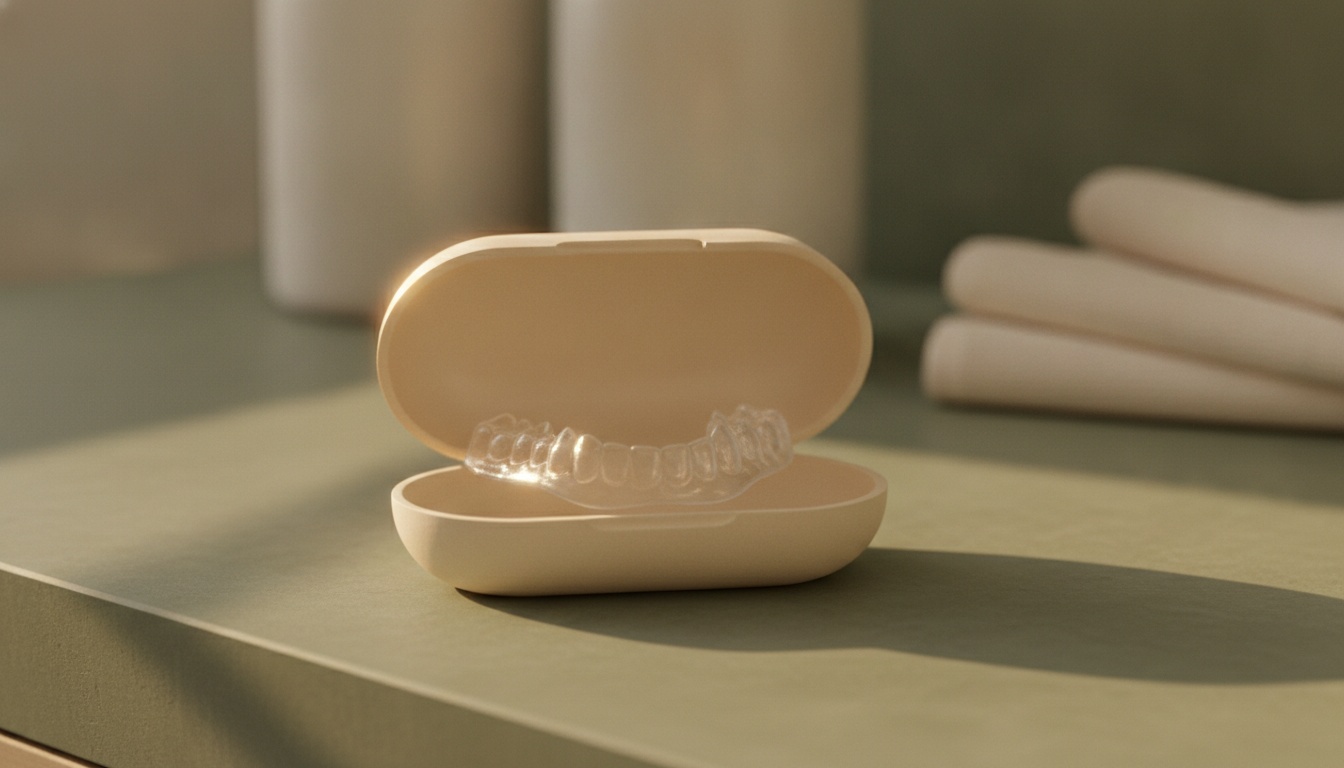
A custom dental night guard in Las Vegas commonly runs $300 to $800, with hard acrylic and dual-laminate guards sitting toward the upper end and softer guards landing lower, while over-the-counter boil-and-bite versions cost far less at roughly $15 to $40 and protect far less.
Fit is what separates those two numbers. A custom guard seats evenly across every tooth, spreads grinding force the way it should, and stays thin enough to actually wear all night, so a few hundred dollars buys cheap insurance against the cracked fillings, worn enamel, and broken crowns that clenching causes over time.
A night guard from Stavarache Family Dental in Las Vegas starts with an impression of your own bite and a fitting that gets the contact right. Dr. Hidy Stavarache has fitted these for grinding and clenching patients on West Cheyenne Avenue since 1995, and the goal here is to give you the real numbers, with no upsell.
What a Night Guard Actually Does
A night guard, sometimes called an occlusal guard or a bite guard, is a custom piece of acrylic that fits over your upper or lower teeth while you sleep. Its job is simple. It puts a layer between your top and bottom teeth so the force of clenching and grinding lands on the appliance instead of your enamel.
That grinding has a name, bruxism , and most people who do it have no idea it is happening. It runs on autopilot during sleep, often tied to stress, sleep patterns, or the way your teeth come together. Over months and years, that pressure can wear down chewing surfaces, crack fillings, loosen crowns, and strain the jaw joint. A guard does not stop the clenching itself. It absorbs and redistributes the load so your teeth stop paying for it.
The reason fit matters so much comes down to that force. A guard that sits evenly across every tooth spreads pressure the way it should. One that rocks, slips, or only touches in a few spots can concentrate force exactly where you do not want it, and that is where the price conversation really begins.
What Drives the Price of a Night Guard
Three things move the number more than anything else. The first is whether the guard is custom made or bought over the counter. A custom guard starts with an impression or digital scan of your teeth, which goes to a dental lab that builds the appliance to match your bite. That lab work, the materials, and the chair time all factor into the fee.
The second is the material and thickness. A hard acrylic guard is denser and built to take heavy grinding. A soft guard flexes more and suits lighter clenchers or shorter-term use. There is also a dual-laminate style, hard on the outside and soft against the teeth, which sits between the two. Each material carries a different lab cost, and heavier grinders usually need the sturdier build.
The third is simply where you live. Practices in larger metro areas tend to quote more than rural offices because rent, staffing, and lab delivery all cost more. Las Vegas sits on the higher side of the national spread, closer to what you would see in other big Western cities than to a small Midwest town.
Custom vs Over-the-Counter: What Each One Costs
Here is where the gap shows up most clearly. The drugstore and mail-order world looks cheap on the shelf, and the dental version looks expensive by comparison. The difference in price tracks a real difference in what you get.
- Boil-and-bite guards from a pharmacy run roughly $15 to $40. You soften the plastic in hot water and bite into it to shape it.
- Mail-order custom kits that ship an impression tray to your home and return a lab-made guard generally land around $95 to $175.
- Soft custom guards from a dental office often fall in the $150 to $400 range.
- Hard or dual-laminate custom guards from a dentist typically run $300 to $800, and heavier cases or premium materials can push past that.
In Las Vegas, a custom hard-acrylic occlusal guard commonly sits in the mid-to-upper part of that span. The number reflects the custom impression, the lab fabrication, and the fitting appointment where the bite gets checked and adjusted so the guard sits flush.
Why the Cheap Option Often Costs More
A boil-and-bite guard can feel like a smart shortcut, and for a short stretch it may take the edge off. The trouble is the fit. Because it is molded by biting into warm plastic, it rarely seats evenly, and it tends to be bulky, which makes it harder to keep in all night. People often spit it out in their sleep without realizing it, which means the teeth get no protection on the nights it matters.
There is also a comfort and longevity gap. Softer over-the-counter material can actually invite more chewing in some grinders, and it wears out faster. A guard you stop wearing because it is uncomfortable protects nothing, no matter how little it cost. That is the quiet math behind the cheap option, and it is worth weighing before you decide.
Why Fit Matters for Both Comfort and Protection
Fit is not a luxury feature on a night guard. It is the whole point. A custom guard built from an accurate impression of your teeth seats the same way every night, distributes the grinding force evenly, and stays thin enough that most people forget it is there within a week or two.
When a guard does not fit, two problems show up. The comfort problem is obvious. A bulky or rocking guard is hard to tolerate, and patients quietly stop wearing it. The protection problem is sneakier. An uneven guard can throw your bite off and concentrate force on a few teeth or strain the jaw joint, which can leave you worse off than no guard at all in some cases.
This is why a dentist checks and adjusts the bite at the fitting. The guard is shaped so that when you close down, contact is even across the arch. That adjustment is something no mail-order kit can do, because no one is watching how your teeth actually meet. If your grinding ties into ongoing jaw pain or clicking, the guard may be one part of a broader plan, and our TMJ treatment approach looks at the joint and the bite together rather than at the appliance alone.
What Insurance May Cover
Dental insurance often treats a night guard as a covered appliance, though the details vary a lot from plan to plan. Some policies pay a percentage of the lab and fitting fee, sometimes in the range of half, after your deductible. Others classify it differently or apply an annual maximum that the guard has to share with the rest of your care that year.
A few things tend to affect coverage. Many plans want documentation that grinding is causing damage, which a clinical exam can provide. Some limit how often they will pay for a replacement guard, often once every few years. And a flexible spending or health savings account can usually be applied to the out-of-pocket portion, which softens the cost either way.
The practical move is to ask before the guard is made. Our front desk can help you read your benefits so you know the likely out-of-pocket number ahead of time, rather than after. There are no surprises built into how we quote this, and a night guard sits squarely inside the kind of preventive work covered under general dentistry .
The Real Math: Cheap Insurance Against Expensive Damage
Here is the frame that makes the price make sense. A custom night guard is not really an expense against your teeth. It is insurance against the cost of replacing them.
Consider what grinding can break. A single crown often runs well over a thousand dollars. A cracked tooth that needs a root canal and a crown can climb past two thousand. Worn-down enamel that calls for multiple restorations adds up fast, and once enamel is gone it does not grow back. Set a few hundred dollars for a guard next to those numbers, and the guard starts to look less like a purchase and more like a hedge.
The comparison is not abstract for heavy grinders. Years of unprotected clenching can flatten teeth, fracture restorations, and turn a manageable situation into a major one. A guard that costs a fraction of one crown, and that may last several years with care, is doing quiet work every single night. That is the case for spending on fit rather than chasing the lowest sticker price. The cheapest guard is the one you actually wear, that actually protects, and that you do not have to replace because the teeth underneath it got damaged anyway.
How Long a Night Guard Lasts and How to Care for It
A well-made hard acrylic guard can last several years, though heavy grinders may wear through one faster. The material takes the abuse so your enamel does not, which means the guard itself is a consumable. Seeing wear on the guard is a good sign. It is doing the job.
Care is straightforward. Rinse it each morning, brush it gently with a soft toothbrush and water, and let it dry before storing it in a ventilated case. Hot water can warp the acrylic, so keep it cool. Bring the guard to your checkups so it can be inspected for cracks and thinning, and so the fit can be confirmed as your teeth and any dental work change over time. A guard that no longer seats well has stopped protecting evenly, and that is worth catching early.
Frequently Asked Questions
Is a custom night guard worth it over a drugstore one? For most regular grinders, yes. A custom guard fits evenly, stays thin enough to wear all night, and distributes force the way a molded boil-and-bite guard often cannot. The lower upfront cost of a drugstore guard can fade quickly if it does not get worn or if it lets damage continue.
How much does a custom night guard cost in Las Vegas? A custom dental night guard in the Las Vegas area commonly falls in the $300 to $800 range, depending on the material and how heavy your grinding is. Hard acrylic and dual-laminate guards sit toward the upper end, while softer guards can run less. An exam gives you a firm number for your situation.
Will my dental insurance pay for a night guard? Many plans cover part of the cost, often a percentage after your deductible, but coverage varies widely. Some plans want documentation of grinding damage and limit how often they replace a guard. Checking your benefits before the guard is made tells you the likely out-of-pocket amount.
Should the guard go on my top or bottom teeth? Either can work, and the choice depends on your bite, your comfort, and how your teeth come together. Many people tolerate an upper guard well, while others do better with a lower one. The fitting appointment is where that gets decided and adjusted.
How long does it take to get a custom night guard? Usually one visit for the custom impression or digital scan, then a short wait while the lab builds the guard, and a second visit to fit and adjust it. The exact timeline depends on the lab, but most people have their guard in hand within a couple of weeks.
Protect Your Teeth Before the Grinding Adds Up
If you are waking with jaw pain, headaches, or teeth that look more worn than they used to, a night guard may be the simplest way to stop the damage where it starts. Dr. Hidy Stavarache will look at your bite, talk through whether a hard or soft guard fits your situation, and give you a clear price before anything is made. Call Stavarache Family Dental at (702) 233-8371 or book through our contact page . We are on West Cheyenne Avenue in northwest Las Vegas, one dentist who has been fitting these since 1995, with no upsell and no surprises.