
Why Are My Gums Bleeding When I Brush?
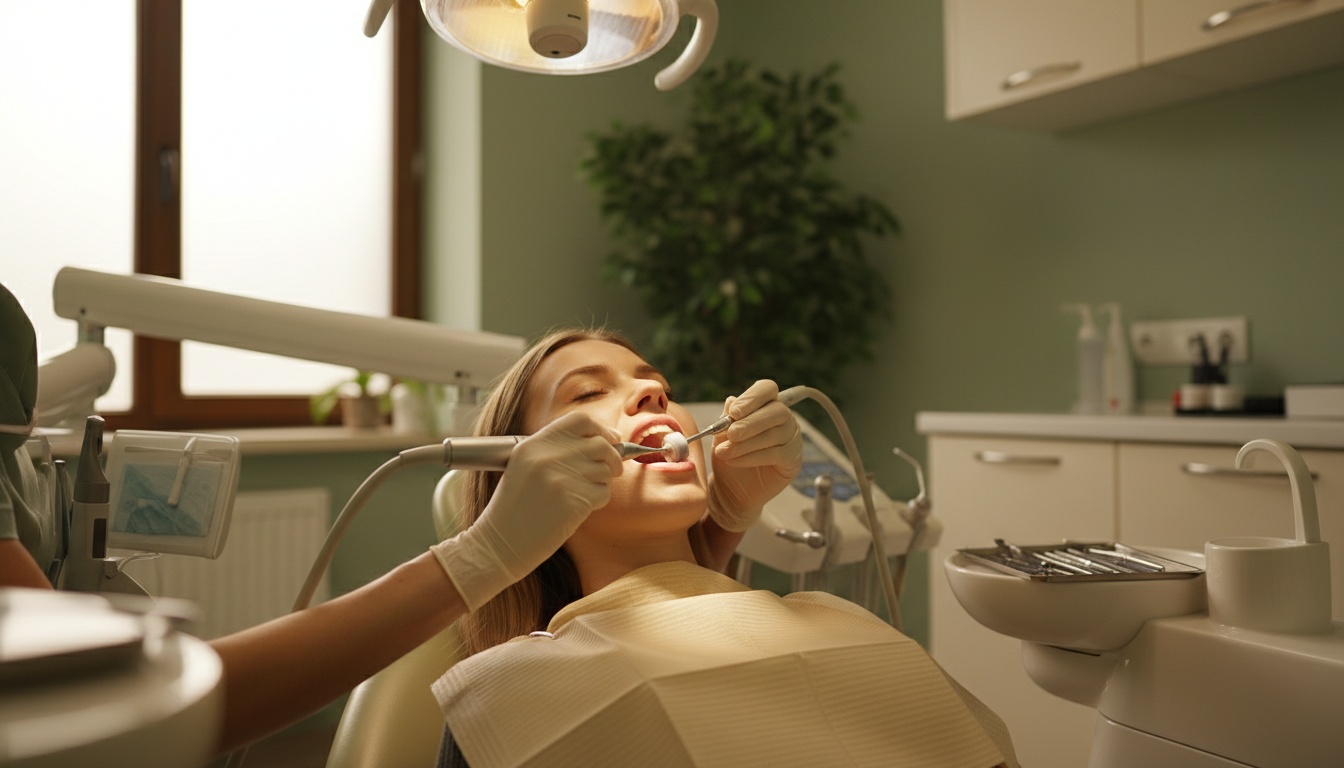
You finish brushing, spit into the sink, and notice a thread of pink in the water. Maybe it happens once and you forget about it. Maybe it shows up every morning, in the same spot near the back, and you start brushing that area a little more gently to avoid it. Either way, the question lands the same: is this normal, or is something wrong?
For most people, bleeding when you brush is the mouth waving a small flag. It is rarely a sign that your teeth are falling apart tomorrow, but it is almost never nothing. Healthy gums do not bleed from a soft-bristled toothbrush. When they do, it usually means inflammation has set in along the gumline, and that inflammation has a cause you can do something about. The trick is knowing which kind of bleeding you are dealing with, and when it is time to stop guessing and get it looked at.
The Most Common Reason Gums Bleed When You Brush
The usual culprit is plaque. Plaque is the soft, sticky film of bacteria that forms on your teeth every single day, especially right where the tooth meets the gum. When it sits there long enough, the bacteria irritate the gum tissue, and the body responds with inflammation. That inflammation makes the tissue swell, redden, and bleed easily when touched. This early, plaque-driven stage is called gingivitis.
Gingivitis is common, and the good news is that it is often reversible. The bleeding is not a sign of permanent damage at this stage. It is a sign that plaque is winning the daily battle along your gumline, usually because brushing and flossing are missing certain spots. The areas that bleed are frequently the areas that get the least attention: the back teeth, the inside surfaces, and the tight gaps between teeth where a brush cannot reach.
There is a detail here that surprises people. Gums that bleed tend to bleed *more* when cleaning is poor, not less. Skipping a spot because it bleeds lets plaque build up further, which deepens the inflammation, which makes the bleeding worse the next time. The bleeding is not the problem itself. It is the smoke from the fire, and the fire is bacterial buildup.
Why You Should Not Stop Brushing the Spot That Bleeds
This is the most common mistake, and it is an understandable one. When something bleeds, instinct says leave it alone. With gums, that instinct works against you. The bleeding spot is bleeding precisely because plaque has collected there and the gum is inflamed. Brushing it gently and consistently is what clears the plaque and lets the tissue calm down.
When you avoid a tender area, plaque keeps accumulating. Within a couple of days it can start to harden into tartar, also called calculus. Tartar is mineralized plaque, and once it forms, a toothbrush cannot remove it. It bonds to the tooth and creates a rough surface that holds even more plaque against the gum. At that point the inflammation has a permanent anchor, and brushing alone will not fix it.
So the move is not to retreat. The move is to clean the area well, every day, with a soft-bristled brush and a steady hand. You are not scrubbing the gum raw. You are clearing the film of bacteria that is feeding the inflammation. For many people, gums that bled on day one bleed less by the end of the week once the plaque is being removed daily. Add cleaning between the teeth, which a brush physically cannot reach, and the gumline gets the help it actually needs.
If you want a fuller picture of how routine plaque control and professional cleanings fit together, our overview of general dentistry walks through what consistent care looks like over time.
When Bleeding Gums Mean Something More Than Gingivitis
Gingivitis is the early stage, and it is reversible. The concern is what happens when it is left alone for months or years. Persistent inflammation can progress to periodontitis, a deeper form of gum disease that affects the structures holding your teeth in place. This is no longer just surface irritation. It is a process that can damage bone and connective tissue, and that kind of damage does not reverse on its own.
The shift from gingivitis to periodontitis is not always obvious from the outside. A few signs raise the level of concern:
- Bleeding that continues for weeks despite good daily cleaning
- Gums that look like they are pulling away from the teeth, making teeth appear longer
- Persistent bad breath or a bad taste that brushing does not fix
- Teeth that feel loose, or a bite that suddenly feels different
- Pus or tenderness around the gumline
When periodontitis takes hold, the gum can separate from the tooth and form what dentists call gum pockets. These pockets are deeper than the normal shallow space around a healthy tooth, and they trap plaque and tartar below the gumline where no toothbrush can reach. Because the buildup is now hidden under the gum, home care alone cannot clear it. This is the point where bleeding stops being a simple housekeeping issue and becomes a reason to be seen. If you want to understand the line between the two stages in more detail, we cover it in gingivitis vs periodontitis .
The treatment for established gum disease is different from a routine cleaning, and the approach depends on how deep the pockets have gone. Our page on gum disease treatment explains what that involves and how Dr. Stavarache approaches it without rushing anyone into procedures they do not need.
Other Things That Can Make Gums Bleed
Plaque is the leading cause, but it is not the only one, and it helps to know the other possibilities so you are not worrying about the wrong thing.
A new or rougher routine. If you just started flossing again after a long gap, your gums may bleed for the first several days. This is the inflamed tissue reacting, and it often settles as the gums get healthier with consistent cleaning. Brushing too hard or using a stiff-bristled brush can also cause bleeding by abrading the gum, so check that you are using a soft brush and a light touch.
Hormonal changes. Pregnancy and other hormonal shifts can make gum tissue more reactive to the same amount of plaque, so some people notice more bleeding during these periods even with their usual routine.
Medications. Certain blood thinners and some other medications can make any bleeding, including from the gums, more noticeable. If you take a blood thinner and your gums bleed easily, it is worth mentioning to both your dentist and your physician.
Less common medical factors. Some health conditions and nutritional gaps can show up as gum bleeding. These are not the usual explanation, but they are part of why persistent bleeding that does not respond to better cleaning deserves a professional look rather than a guess.
Notice the pattern across all of these. The single most controllable factor is still plaque, and most other causes either pass on their own or sit on top of an existing plaque problem. That is why daily cleaning and a professional cleaning are the starting point in nearly every case.
What Actually Stops the Bleeding
The fix for plaque-driven bleeding is not dramatic, which is part of why people overlook it. It comes down to removing plaque consistently and getting the hardened tartar off that you cannot remove yourself.
At home, that means brushing twice a day with a soft-bristled brush, angling the bristles toward the gumline where plaque collects, and cleaning between the teeth daily with floss or another interdental tool. The between-the-teeth part matters more than most people give it credit for, because the spaces a brush skips are exactly where bleeding tends to start. None of this has to be aggressive. Gentle and thorough beats hard and rushed.
The other half is the professional cleaning. Once plaque has hardened into tartar, only a dental cleaning can remove it. A hygienist or dentist clears the tartar from the tooth surfaces and along the gumline, which removes the rough anchor that keeps inflammation going. For many people with simple gingivitis, a thorough cleaning plus better home care is enough to settle the bleeding within a few weeks. If you are curious about what a standard cleaning runs in this area, we break it down in teeth cleaning cost in Las Vegas .
When the inflammation has gone deeper and pockets have formed, a routine cleaning may not reach the buildup hiding below the gumline. In those cases a deeper cleaning that addresses the tooth surfaces below the gum can be part of the plan. The cost and scope of that are different from a regular cleaning, and we cover it in deep cleaning cost in Las Vegas . The right level of cleaning depends on what is actually found in your mouth, not a one-size-fits-all package.
When to Call a Dentist Soon
A little bleeding when you restart flossing, fading over a week of good cleaning, is usually not an emergency. But there are signals that mean you should not wait it out at home. Call sooner rather than later if the bleeding has continued for more than a week or two despite consistent brushing and flossing, if your gums look like they are receding or pulling away from your teeth, or if any tooth feels loose.
The same goes for bleeding that comes with swelling, pus, ongoing bad breath, or pain. Those can point to infection or to gum disease that has moved past the early stage, and both are easier to handle the sooner they are seen. Heavy bleeding that does not stop, or bleeding paired with a fever, deserves prompt attention rather than a wait-and-see week.
There is no downside to having it checked. If it turns out to be simple gingivitis, you leave with a clean mouth and a clearer routine. If it is something more, catching it earlier means less tissue and bone are affected, and the options are simpler. Dr. Hidy Stavarache, DDS, has practiced in northwest Las Vegas since 1995, and the approach here is to tell you plainly what is going on and what, if anything, needs doing. No pressure to add treatment you do not need.
Frequently Asked Questions
Is it normal for my gums to bleed a little when I brush? Healthy gums generally do not bleed from a soft toothbrush, so regular bleeding is usually a sign of early inflammation rather than something to ignore. The most common cause is plaque buildup at the gumline, which is often reversible with better daily cleaning and a professional cleaning. If it keeps happening for more than a week or two, it is worth getting checked.
Should I stop brushing the area that bleeds? No. Avoiding the spot lets plaque build up there, which usually makes the inflammation and the bleeding worse over time. Keep cleaning the area gently with a soft-bristled brush, and clean between the teeth daily, since that is often where the bleeding starts.
Will bleeding gums go away on their own? If the cause is early gingivitis from plaque, the bleeding often improves within a couple of weeks of consistent brushing, daily cleaning between the teeth, and removal of any hardened tartar at a cleaning. If bleeding continues despite good home care, the inflammation may have progressed deeper, and that does not tend to resolve without professional treatment.
How is gingivitis different from periodontitis? Gingivitis is early, plaque-driven inflammation of the gums and is often reversible. Periodontitis is a more advanced stage that affects the bone and tissue holding teeth in place, and it can create gum pockets that trap buildup below the gumline. The damage from periodontitis does not reverse on its own, which is why catching bleeding early matters.
Can flossing cause my gums to bleed? When you restart flossing after a gap, your gums may bleed for the first several days because the tissue is already inflamed. This often settles as the gums get healthier with daily cleaning. If bleeding from flossing continues well past a week or two, the gums may need a professional cleaning to clear tartar a brush and floss cannot remove.
Have Your Gums Looked At Before It Becomes Bigger
Bleeding gums are easy to brush past, and easy to address when caught early. If yours have been bleeding for more than a week or two, or you have noticed swelling, receding gums, or a loose tooth, that is the moment to have it checked. Stavarache Family Dental sits on West Cheyenne Avenue in northwest Las Vegas, where Dr. Hidy Stavarache, DDS, has cared for the area since 1995. Call (702) 233-8371 or book an appointment , and you will get a straight read on what is happening and what it actually takes to settle it.