
How Much Does a Deep Cleaning Cost in Las Vegas?
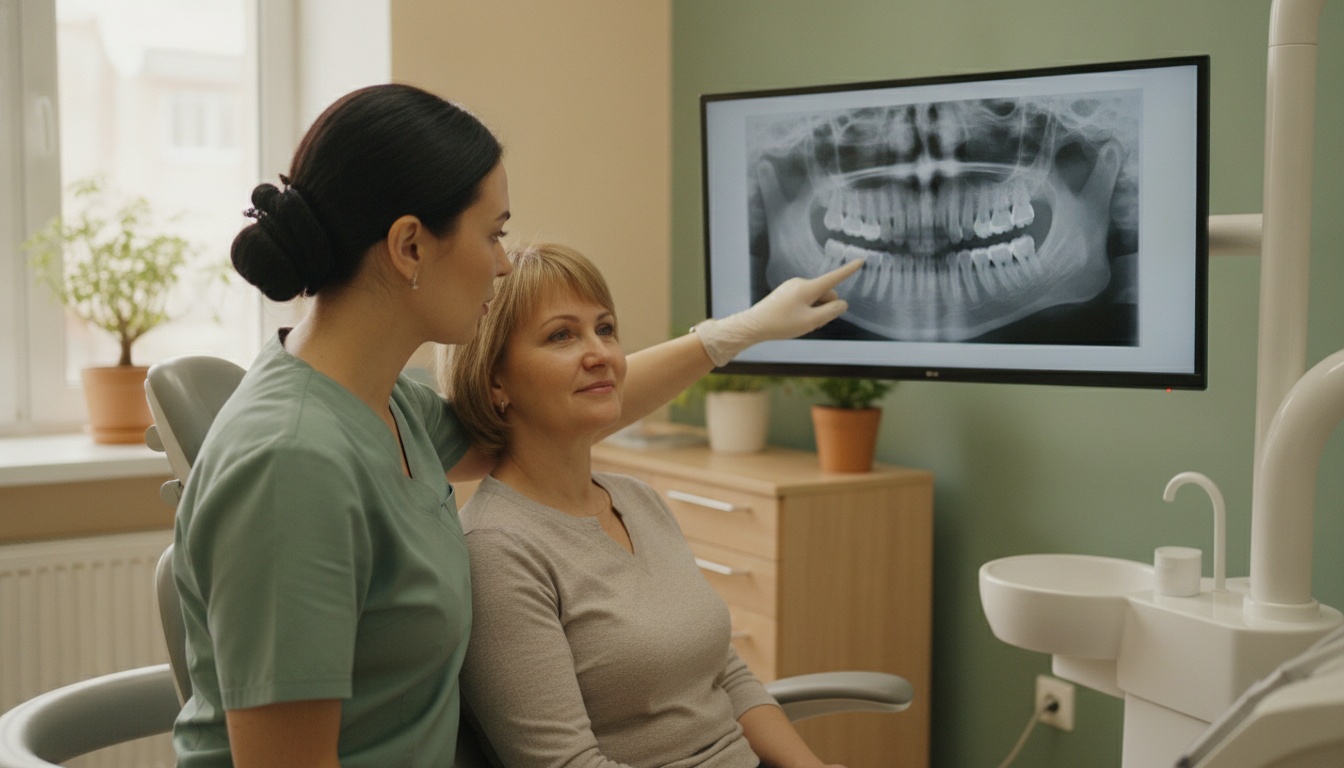
A deep cleaning in Las Vegas generally runs $150 to $400 per quadrant for scaling and root planing, which puts a full-mouth treatment of all four quadrants somewhere around $800 to $1,600 before insurance. The wide spread reflects how much hardened buildup sits below the gumline and how deep the gum pockets have gotten, since a mild quadrant and a deeply infected one are billed under the same code but take very different amounts of work.
A deep cleaning costs more than a regular cleaning because it is a different kind of procedure. Scaling and root planing treats active gum disease by reaching beneath the gumline, removing tartar from the root surface, and smoothing the root so the tissue has a clean surface to reattach to, work that takes more time, more visits, and local anesthetic. It is a real treatment when the gum pockets and bleeding genuinely call for it, and it is not something you should be steered into when your gums are healthy.
At Stavarache Family Dental on West Cheyenne Avenue in northwest Las Vegas, Dr. Hidy Stavarache, DDS, has practiced since 1995 with a no-upsell approach, showing patients the pocket measurements behind any deep cleaning recommendation rather than pushing a procedure. This article walks through the real scaling and root planing price ranges in Las Vegas, why the cost is structured per quadrant, how dental insurance handles it, and how to tell a deep cleaning you need from one you do not.
What a Deep Cleaning Actually Costs in Las Vegas
Scaling and root planing is almost always quoted per quadrant, which means your mouth is divided into four sections: upper right, upper left, lower right, and lower left. You may need all four treated, or you may need only one or two, depending on where the gum disease is active.
In the Las Vegas area, the per-quadrant price for scaling and root planing generally falls somewhere between $150 and $400. The spread is wide because the severity of the disease, the depth of the gum pockets, and the amount of hardened buildup below the gumline all change how much work a quadrant takes. A mild quadrant and a deeply infected one are not the same job, even though they share a billing code.
If all four quadrants need treatment, the full-mouth total in Las Vegas often lands somewhere around $800 to $1,600 before insurance. That is a meaningful number, and it is reasonable to ask for the per-quadrant breakdown in writing before you agree to anything.
Costs That Sit Next to the Procedure
The quadrant fee is not always the whole picture. A few related items can show up on the estimate, and you should know about them up front rather than at checkout.
- X-rays, often needed to see bone levels before treatment, can run roughly $50 to $300 depending on the type and how recent your last set was.
Local anesthetic is usually included in the procedure fee, since most quadrants are numbed before the work begins. Some cases also involve a follow-up visit for periodontal maintenance, which is billed separately and is not the same as a standard cleaning. Asking which line items are included and which are extra keeps the final bill from surprising you.
Why It Costs More Than a Regular Cleaning
A regular cleaning, the kind most people get twice a year, is a preventive service. It removes plaque and tartar from above the gumline and polishes the visible surfaces of healthy teeth. It is quick, it does not require numbing, and it is priced accordingly.
Scaling and root planing is a different category of work. It treats teeth where the gum has already pulled away and formed pockets, and where bacteria and hardened tartar have moved below the gumline onto the root surface. Reaching that buildup means going beneath the gum, often with local anesthetic, and smoothing the root so the tissue has a clean surface to reattach to.
That work takes more time, more skill, and more visits. A single quadrant can take a full appointment, and a full mouth is usually split across two visits so you are not numb on both sides at once. The price reflects the labor and the clinical care involved, not a markup on the same cleaning you already know. If you want a side-by-side look at how the two procedures differ, the comparison in regular cleaning vs deep cleaning lays it out in plain terms.
How Insurance Treats Scaling and Root Planing
Here is the part that changes the real number you pay. Because scaling and root planing is classified as a treatment for gum disease rather than a routine preventive cleaning, most dental plans cover it differently from your twice-yearly visit.
A regular cleaning is frequently covered at or near 100 percent as a preventive benefit. A deep cleaning usually falls under basic or major services, which many plans cover at something like 50 to 80 percent after your deductible is met. So even though the procedure costs more, insurance often picks up a real share of it when the treatment is documented as medically necessary.
That last phrase matters. Insurers typically want evidence: charted gum pocket depths, X-rays showing bone loss, and notes that justify the diagnosis. A reputable office documents this as a matter of routine, because the documentation is what supports both your care and your claim. Coverage also comes with limits, such as how often periodontal maintenance is allowed per year, so it helps to have the office submit a pre-treatment estimate to your plan before you start.
When a Deep Cleaning Is Genuinely Needed
Scaling and root planing is the standard treatment for periodontitis, the stage of gum disease where the supporting tissue and bone around the teeth have started to break down. At that point, the infection lives in pockets that a regular cleaning cannot reach, and leaving it alone tends to let the damage continue.
The usual signal is pocket depth. Healthy gums sit tight against the tooth with shallow pockets, generally one to three millimeters. When a hygienist measures pockets at four millimeters or deeper, especially with bleeding, that is the territory where a deep cleaning becomes the appropriate response. Other signs that often travel with it include gums that bleed during brushing, persistent bad breath, gums that have pulled back, and visible tartar below the gumline on X-rays.
If you are trying to understand where you fall on that spectrum, two related reads may help: gingivitis vs periodontitis explains the line between reversible inflammation and the deeper disease, and bleeding gums when brushing covers what that specific symptom can mean. When the disease is real, scaling and root planing is not an upsell. It is gum disease treatment , and skipping it can let a manageable problem turn into tooth loss.
How to Tell a Needed Deep Cleaning From an Unnecessary One
This is the question most people are actually asking when they hesitate, so it deserves a straight answer. The honest test comes down to evidence and consistency.
A legitimate recommendation is backed by numbers you can see. Ask to be shown your pocket depth chart and your X-rays. If you are being told you need all four quadrants of scaling and root planing, the chart should show pockets of four millimeters or more across those areas, usually with bleeding noted. A diagnosis built on measurements that the office can point to is one you can trust.
A few patterns are worth questioning. Be cautious if every new patient at an office seems to leave with a four-quadrant deep cleaning regardless of their history, if no one can show you the pocket measurements that justify it, or if you have healthy gums with shallow pockets and no bleeding and are still being steered toward the procedure. Mild gingivitis with shallow pockets is usually handled by a regular cleaning and better home care, not by scaling and root planing.
A second opinion is a normal, reasonable step, and a confident office will not be bothered by your asking for one. The diagnosis lives in the chart, not in a sales pitch, so anything that can be measured can be checked. When the measurements support the treatment, you can move forward knowing the recommendation is honest. When they do not, you have your answer.
Keeping the Cost Down Over Time
The cheapest deep cleaning is the one you do not end up needing, and gum disease is largely preventable. Daily brushing and flossing, plus regular checkups so problems get caught while they are still small, keep most mouths in the range where a standard cleaning is all that is required.
If you do go through scaling and root planing, the work does not end at the last quadrant. Treated gums need periodontal maintenance, usually on a tighter schedule than the standard six months, so the pockets stay shallow and the disease does not return. Staying on that schedule is what protects the money and the care you already invested. You can see how this fits alongside routine care under general dentistry , where prevention and cleanings live together rather than getting handed off.
Frequently Asked Questions
Is a deep cleaning the same as a regular cleaning? No. A regular cleaning is preventive and removes buildup above the gumline on healthy teeth. A deep cleaning, or scaling and root planing, treats gum disease by removing tartar and bacteria from below the gumline and smoothing the root surface, which is why it costs more and often involves local anesthetic.
Why is scaling and root planing priced per quadrant? Your mouth is divided into four quadrants, and gum disease may affect some but not all of them. Pricing per quadrant lets the treatment and the cost match the areas that actually need work, so you are not charged for a full mouth when only one or two sections are involved.
Will my insurance pay for a deep cleaning? Many dental plans cover scaling and root planing at roughly 50 to 80 percent after your deductible when it is documented as medically necessary, since it is classified as a treatment rather than a routine cleaning. Coverage and yearly limits vary by plan, so a pre-treatment estimate sent to your insurer before you start is the most reliable way to know your share.
How do I know if I really need a deep cleaning? The deciding factor is gum pocket depth, measured during your exam. Pockets of four millimeters or more, especially with bleeding, point toward scaling and root planing, while shallow pockets and healthy gums usually do not. Ask to see your pocket chart and X-rays, and feel free to get a second opinion.
What happens if I skip a deep cleaning I actually need? Untreated periodontitis tends to progress, and the infection can continue to break down the bone and tissue that hold your teeth in place. Over time this may lead to loose teeth and tooth loss, which is more costly and more involved to address than the original deep cleaning would have been.
Get a Straight Answer About Your Gums
If you have a deep cleaning on a treatment plan and you want an honest read on whether you need it, Dr. Hidy Stavarache has been practicing in northwest Las Vegas since 1995 and will show you the measurements behind any recommendation. Stavarache Family Dental is on West Cheyenne Avenue in NW Las Vegas, and you can call (702) 233-8371 or book through our contact page to schedule a periodontal evaluation. You will leave knowing where your gums actually stand, with no pressure either way.