
How Much Does a Dental Crown Cost in Las Vegas?
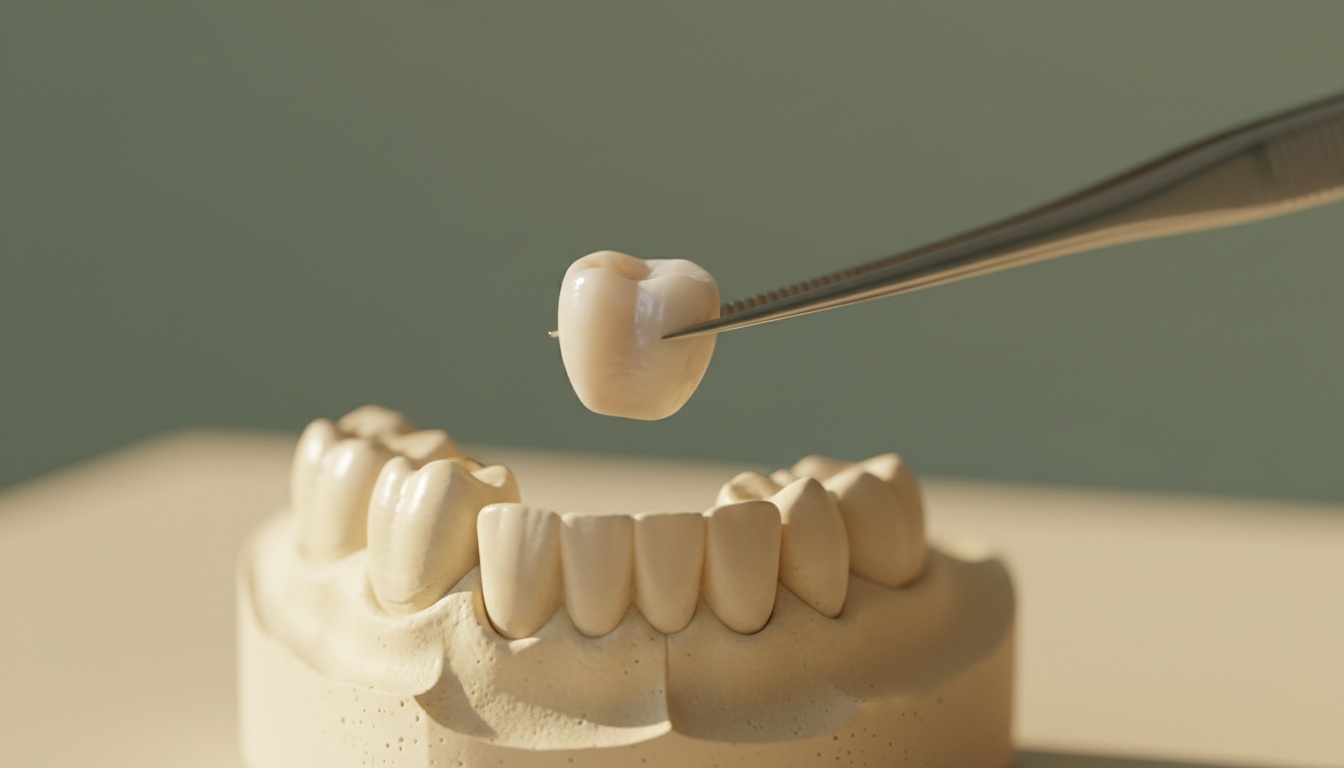
A single dental crown in Las Vegas generally runs between $800 and $2,500 per crown, and the material you choose drives most of that spread, with porcelain-fused-to-metal at roughly $800 to $1,500, all-ceramic at roughly $800 to $2,000, zirconia at roughly $1,000 to $2,500, and gold at roughly $900 to $2,500.
The crown fee is rarely the whole story, though. A tooth that has lost a lot of structure may need a core buildup before it can hold a crown, and a tooth with an infected nerve may need a root canal first, both billed as separate line items that raise the total. If you carry dental insurance, many plans treat crowns as major restorative work and pay a share after your deductible, with your annual maximum and any waiting period shaping what lands on you.
At Stavarache Family Dental on West Cheyenne Avenue, Dr. Hidy Stavarache, DDS, has placed dental crowns in Las Vegas since 1995, and the approach is a written quote first, with the crown, the material, and any buildup or root canal spelled out as named lines before any work begins. One dentist, no quota, and no upsell waiting at the end.
What a Dental Crown Actually Costs in Las Vegas
Around the Las Vegas valley, a single crown generally lands somewhere between $800 and $2,500. That is a wide band, and the spread is not random. It reflects the material chosen, the lab fee tied to that material, and whether the tooth needs extra work before the crown can seat properly.
Material is the first lever. Here is roughly where each option falls in this area:
- Porcelain-fused-to-metal (PFM): about $800 to $1,500
- All-ceramic or all-porcelain: about $800 to $2,000
- Zirconia: about $1,000 to $2,500
- Gold or other metal: about $900 to $2,500
These are ranges, not promises, and your tooth may sit anywhere inside them. A crown on a front tooth where appearance carries weight can differ from a crown on a back molar that mostly needs to survive years of chewing. The point is that the material conversation is also a cost conversation, and the two should happen together rather than after the fact.
How Crown Material Changes the Price
Crowns are made from a handful of materials, and each carries its own lab fee and its own set of trade-offs. Understanding them helps you read your quote instead of just signing it.
Porcelain-Fused-to-Metal
PFM crowns put a porcelain shell over a metal core. They have been a workhorse for decades because they balance a tooth-colored surface with the strength of the underlying metal. The lab fee tends to be moderate, which is why PFM often sits at the lower end of the range. Over many years a thin gray line can show near the gum on some PFM crowns, so the choice depends partly on where the tooth lives in your mouth.
All-Ceramic and All-Porcelain
All-ceramic crowns skip the metal entirely. Light passes through them in a way that can look closer to a natural tooth, which is why they are often chosen for teeth that show when you smile. The lab work is more involved, so the fee can run higher than a basic PFM. They are strong enough for many situations, though the right candidate depends on how much biting force the tooth handles.
Zirconia
Zirconia is a ceramic that is unusually tough. It can take heavy chewing load, which makes it a common pick for molars and for people who grind. Some offices mill zirconia in-house using same-day or CEREC systems, which can change the timeline and sometimes the cost. Where milling happens off-site, the lab fee for zirconia tends to push the total toward the upper part of the range.
Gold
Gold crowns rarely come up first in conversation anymore, but they remain one of the gentlest options for the opposing teeth and they wear well over time. The price moves with the spot price of gold, so the lab fee on a gold crown can swing more than the others. For a back molar that nobody sees, some patients still prefer it.
Why a Core Buildup or Root Canal Raises the Total
This is the part that catches people off guard, so it is worth being plain about it. The crown fee covers the crown. It does not automatically cover the work needed to make the tooth ready to hold one.
When a tooth is badly broken or has lost a large chunk to decay, there may not be enough solid structure left to anchor a crown. In that case the tooth needs a core buildup, where the dentist rebuilds the missing portion with a filling material so the crown has something to grip. A buildup is a separate procedure with its own fee, and it is common enough that you should expect to hear about it whenever a tooth is heavily damaged.
A root canal is the bigger swing. If the nerve inside the tooth is infected or dying, the tooth needs root canal treatment before it gets crowned. Root canal therapy is its own service, billed separately, and it can add a meaningful amount to the overall total. A back tooth with more canals usually costs more to treat than a front tooth with one. None of this is padding. It is the difference between crowning a healthy foundation and crowning over a problem that will flare up later.
The practical takeaway is simple. When you ask what a crown costs, the real answer is what your crown costs, and that depends on what the tooth needs underneath it. A written quote should spell out the crown, the buildup if one is required, and the root canal if one is required, as separate lines you can actually read.
What Dental Insurance Usually Covers
If you carry dental insurance, a crown often falls under the category many plans label major restorative. Plans vary widely, but a common structure pays a percentage of the crown fee after you have met your deductible, with 50 percent being a frequent figure for major work. Your plan may pay more or less.
Two details tend to surprise people. The first is the annual maximum. Many dental plans cap what they pay in a calendar year at a figure that a single crown, plus a buildup or root canal, can come close to using up. Once you hit that ceiling, the remaining balance is yours. The second is the waiting period. Some plans make you wait months after enrolling before they cover major work, so timing can matter.
There is also the question of whether the plan considers the crown necessary. Insurers often want documentation that the tooth genuinely needs a crown rather than a smaller fix. That is one reason a clear diagnosis and a written treatment plan help. They give the insurer what it asks for and give you a record of what was recommended and why. The office can submit a pre-treatment estimate to your plan so you see the expected coverage before anything is scheduled.
Crown or Filling, and Why It Affects Cost
Sometimes the cheapest crown is the one you do not need. A crown is the right call when a tooth has lost enough structure that a filling would not hold, or when a cracked tooth needs to be wrapped and protected. But not every damaged tooth has crossed that line.
A large filling costs less than a crown, and for a tooth with enough healthy structure left, a filling can be the sound choice. The judgment call is about how much tooth remains and how much force it has to take. If you are weighing the two, our piece on when a crown beats a filling walks through where the line sits, and our breakdown of filling costs in Las Vegas gives you the other half of the comparison. The goal is to match the tooth to the right fix, not to default to the more expensive one.
What Drives the Number Up or Down
Beyond material and underlying treatment, a few other factors nudge the total in one direction or another. Knowing them helps you ask better questions when you review your quote.
The tooth itself matters. A front tooth that everyone sees may call for a more carefully matched all-ceramic crown, while a hidden molar can use a sturdier zirconia or gold option. The condition of the tooth matters, since a tooth that needs a buildup or root canal carries those added fees. The lab matters too, because a higher-end lab and a more demanding material carry a larger lab fee that flows into your cost.
Whether the crown is made same-day or sent to an outside lab can shift both the timeline and the price. Same-day or CEREC milling can save a second visit, though the equipment and material still carry their own cost. And finally, your own plan determines how much of the fee lands on you versus the insurer. The fee for the crown can be the same while your out-of-pocket share looks very different depending on coverage.
The Written-Quote-First Approach
Here is how it works at Stavarache Family Dental, and it is the part that matters most. You should never be drilling first and pricing later. After Dr. Stavarache examines the tooth and takes any images needed, you get a written treatment plan that lays out the crown, the material, and any buildup or root canal as separate, named line items.
That document is yours to read, question, and take home. If your insurance is involved, the office can send a pre-treatment estimate so the expected coverage is on paper before you commit. If money is tight that month, you know the full picture and can decide on timing with real numbers in hand. There is one dentist here, Dr. Stavarache, so the person quoting the work is the person doing the work. No quota, no upsell, no surprise charge waiting at the end. That is the entire idea behind putting the number in writing first.
Frequently Asked Questions
Why is my crown quote higher than the prices I found online? Online prices usually list the crown alone, while your quote may include a core buildup or a root canal that the tooth needs before it can be crowned. Those are separate procedures with their own fees. A written, itemized quote shows you exactly which parts make up the total.
Does insurance pay for the whole crown? Rarely the whole thing. Many plans treat crowns as major restorative work and pay a portion, often around half, after your deductible. Your annual maximum and any waiting period can also limit what the plan covers, so a pre-treatment estimate is the best way to see your share in advance.
Which crown material is best for a back molar? Back molars take heavy chewing force, so a tough material like zirconia or gold is often considered. Appearance matters less on a tooth nobody sees, and durability matters more. The right pick depends on your bite and whether you grind, which Dr. Stavarache can assess during the exam.
Can I get a crown in one visit? Some offices use same-day or CEREC systems that mill a crown in-house during a single appointment. Whether that fits your tooth depends on the material chosen and the condition of the tooth. Cases that need a buildup or root canal usually involve more than one visit regardless.
What if I might need a root canal too? If the nerve inside the tooth is infected or dying, root canal treatment comes before the crown and is billed as its own service. It can add a meaningful amount to your total. A clear exam tells you up front whether the tooth needs it, so the full cost appears on your written plan rather than later.
Get a Written Crown Quote in NW Las Vegas
If a tooth needs a crown, the right next step is a real exam and a real number on paper. Dr. Hidy Stavarache, DDS, has cared for NW Las Vegas patients since 1995, and the practice on West Cheyenne Avenue puts the full cost in writing before any work begins. You can compare a crown against other options, including a bridge or an implant , and see exactly what your insurance is expected to cover. To book, visit our contact page or call (702) 233-8371. You will leave knowing the number, not guessing at it.