
Dental Implant vs Bridge: Which Is Right for You?
Losing a single tooth puts a quiet decision in front of you. The gap needs filling, both for how you chew and for how the rest of your teeth hold their position over time. Two restorations do that job well: a dental implant and a fixed bridge. They reach the same visible result through completely different engineering, and the better choice for you depends on the bone under the gap, the health of the teeth on either side, how fast you want it done, and what you can spend now versus later.
Most pages that compare the two quietly steer you toward the pricier option. This one does not. Dr. Hidy Stavarache has placed and restored both since 1995 from the same chair in northwest Las Vegas, and the honest answer is that each one wins in specific situations. Knowing which situation is yours is the whole game.
How a Dental Implant Replaces a Tooth at the Root
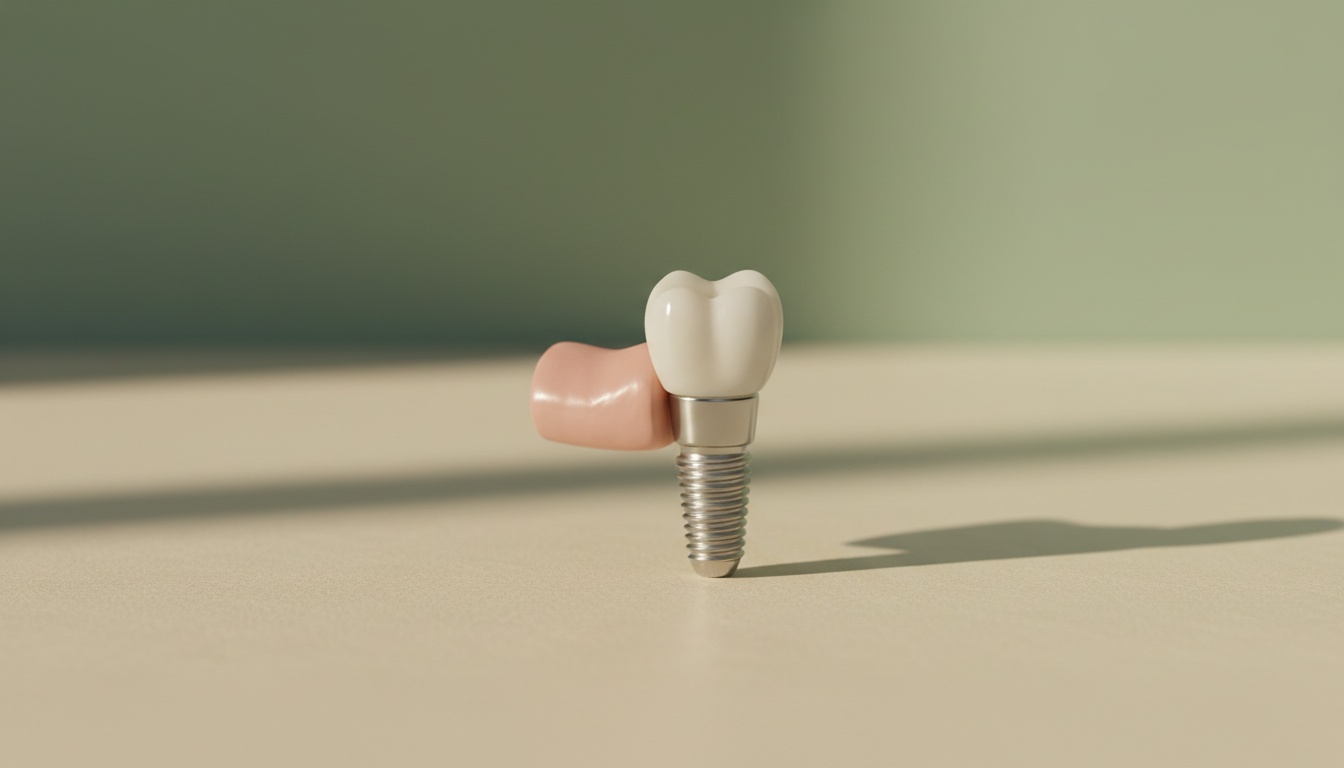
An implant rebuilds the tooth from the foundation up. A small titanium post goes into the jaw where the root used to be, and over roughly three to six months the bone grows tightly around it in a process called osseointegration. Once the post is anchored, a custom crown attaches on top. The result stands entirely on its own and touches nothing else in your mouth.
That independence is the defining trait. The teeth beside the gap are never drilled, crowned, or asked to carry any load. You can read the full step sequence in our dental implant timeline , and the practice's approach to the procedure lives on the dental implants page.
How a Fixed Bridge Spans the Gap
A bridge solves the same problem from above the gumline. The two teeth flanking the space, the abutment teeth, are reshaped and capped with crowns, and a false tooth called a pontic is fused between them. The whole unit cements into place in about two visits, with no surgery and no months of healing.
The speed is real and so is the trade-off. Two teeth that may have been perfectly healthy get permanently reduced to hold the bridge. When those neighbors already need crowns for their own reasons, that cost disappears, because they were getting crowned anyway. When they are pristine, you are spending tooth structure you cannot get back. The mechanics of the crowns involved are covered on our crowns and bridges page.
What Each Option Costs in Las Vegas, Upfront and Over Time
Upfront, a bridge is usually the lighter bill. A three-unit bridge in the Las Vegas market generally runs less than a single implant with its crown, which is why budget often points people toward it first. The exact figures, by material and case, sit in our dental crown cost and dental implant cost breakdowns.
The longer arithmetic tells a different story. A bridge typically needs replacing every ten to fifteen years, and each redo reworks the same two anchor teeth, sometimes pushing them toward root canals or eventual loss. An implant, kept clean, often never needs replacing at all. Spread across two or three decades, the option that costs more on day one can end up costing less by the end. Neither number is a promise, and both get quoted to you in writing before any work starts.
The Jawbone Difference Most Patients Never Hear About
Here is the part that rarely comes up at the consultation chair, and it matters more than most people expect. A natural tooth root stimulates the jawbone every time you bite. Remove the tooth and that signal stops, so the bone beneath the gap slowly resorbs, thinning year over year. Over a long enough stretch it can change the shape of the jaw and even the support around the lips.
An implant post takes over that job. Because it sits in the bone and absorbs chewing force, it keeps the surrounding bone active and stable, the way the original root did. A bridge, floating above the ridge, gives the bone nothing to do, so the ridge under a bridge tends to recede over the years. If preserving bone and facial structure is on your list, that is a genuine point in the implant's column.
How Long Each One Lasts and Why They Fail
A well-maintained implant can last decades, and many last for life. When implants do fail, it is usually from gum infection around the post or from heavy unmanaged grinding, not from the implant wearing out. Our guide on how long dental implants last walks through what actually protects them.
A bridge has more failure paths. The cement seal can break down, and decay can start on an abutment tooth underneath its crown where you cannot see it. Because the unit is connected, a problem on one anchor compromises the whole bridge. None of this makes a bridge a bad restoration. It means a bridge is a fifteen-year answer that you plan to revisit, while an implant is closer to a permanent one.
Matching the Choice to Your Mouth, Your Timeline, and Your Budget
There is no universal winner, which is exactly why an exam beats an internet verdict. The decision turns on four things: the condition of the neighboring teeth, how much healthy bone you have, how quickly you need the gap closed, and the budget you are working with today.
When a Bridge Is the Practical Choice
A bridge makes good sense when the teeth on either side of the gap already need crowns, so reshaping them costs you nothing extra. It is also the stronger pick when you want a finished result in a couple of weeks rather than a few months, or when the upfront budget is the hard constraint and a longer replacement cycle is an acceptable trade.
When an Implant Earns Its Higher Cost
An implant tends to justify the larger investment when the neighboring teeth are healthy and you would rather not touch them, when keeping the jawbone intact matters to you, and when you are solving the problem for the long haul instead of the next decade.
What the Decision Looks Like at Stavarache Family Dental
In a practice where associate dentists rotate, the person who plans your restoration may not be the one who finishes it. Here, both options are planned and placed by Dr. Stavarache, who has been making this specific call with patients for three decades. That continuity matters, because the recommendation comes from someone who will see the result through.
The consultation is built to settle the question, not to upsell it. You get a look at the gap, the neighboring teeth, and the bone, followed by both options laid out with itemized pricing and the coverable portion billed to your insurance first.
The Honest Bottom Line
A bridge buys you speed and a lower starting price, at the cost of two reshaped teeth and a restoration you will likely redo. An implant asks for more time and money up front and gives back independence, bone preservation, and a fix that often lasts the rest of your life. Your neighboring teeth and your jawbone usually cast the deciding vote, and both are things only an exam can read.
Frequently Asked Questions
Is an implant or a bridge more painful to get?
Both are done under local anesthesia and most people stay comfortable throughout. An implant adds a minor surgical step with a few days of mild soreness afterward, while a bridge involves no surgery at all.
Does dental insurance cover implants or bridges?
Many plans cover part of a bridge, and a growing number now cover part of an implant as well. We bill the coverable portion to your plan first and give you the remaining number in writing before treatment begins.
Can I replace a failing bridge with an implant later?
Often yes. If the bone under the old bridge has receded, a graft may be needed first to rebuild enough foundation for the post, which adds time but keeps the option open.
How long does each option take from start to finish?
A bridge is usually complete in about two visits over two to three weeks. An implant runs longer because of healing, commonly three to six months from placement to final crown.
Which lasts longer for a single missing tooth?
An implant typically outlasts a bridge by a wide margin, often by decades, which is the main reason its higher upfront cost can even out or come out ahead over time.
Replace That Tooth With the Right Fix, Not the Default One
The best way to choose between an implant and a bridge is a real exam that reads your bone and your neighboring teeth, then prices both options honestly. Dr. Stavarache will do exactly that, with no pressure toward the costlier path. Call (702) 233-8371 or request a consultation . The office is on West Cheyenne Avenue in northwest Las Vegas.