
How Much Does Teeth Whitening Cost in Las Vegas?
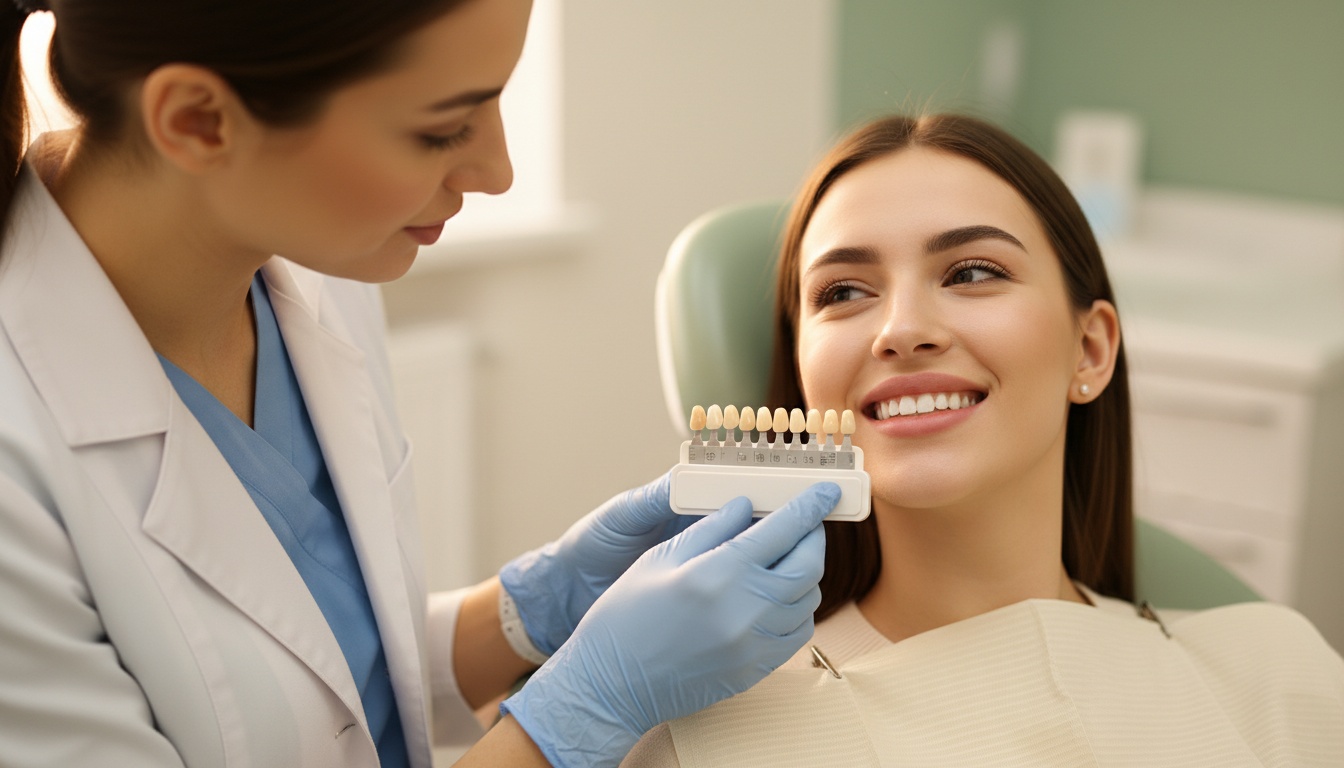
Teeth whitening in Las Vegas runs roughly $400 to $1,000 for in-office treatment, $250 to $400 for custom take-home trays from a dentist, and about $20 to $60 for drugstore strips, pens, and boxed kits that cost far less because the gel is weaker and the fit is generic.
The spread is wide because three things move the price: how well the trays fit your teeth, how strong the whitening gel is, and whether a dentist examines your enamel and gums first. A $40 box and a $700 visit are not the same product at different prices, and the gap tracks closely with how even, fast, and supervised the result is.
At Stavarache Family Dental on West Cheyenne Avenue in NW Las Vegas, Dr. Hidy Stavarache, DDS, has handled teeth whitening since 1995 with a no-upsell approach, so you get a price tied to your actual teeth rather than a push toward the most costly option. This guide breaks down the local ranges, what each tier of teeth whitening pays for, and why the cheapest shelf product is frequently the one that disappoints.
What Teeth Whitening Costs in Las Vegas Right Now
Local pricing falls into three bands. In-office whitening, the single-visit treatment done in a dental chair, generally runs from around $400 to $1,000 in the Las Vegas market, with some practices quoting higher for premium light-activated systems. Custom take-home trays from a dentist usually sit between $250 and $400, depending on how many trays are made and how much gel is included. Drugstore options like strips, paint-on pens, and one-size boxed trays cover everything from about $20 to $60.
Those numbers move with the practice, the brand of gel, and whether whitening is bundled with a cleaning or exam. A single office may also offer a combined package, pairing one in-office session with a set of take-home trays so you can touch up results later. Treat any figure you see online as a starting point rather than a fixed quote, because the only accurate price comes after someone looks at your actual teeth.
What matters more than the headline number is understanding why the bands differ. The gap between a $40 box and a $700 visit is not markup for its own sake. Three things separate them, and each one affects how white your teeth get and how comfortable the process feels.
What You Actually Pay For
When you buy professional teeth whitening , you are paying for three components that a drugstore kit cannot replicate. Knowing what they are makes the price easier to judge.
Custom Trays Molded to Your Teeth
A dentist takes an impression or digital scan of your mouth and fabricates trays that fit the exact contours of your teeth. That fit matters more than it sounds. A snug tray holds the whitening gel against the enamel and keeps it off the gums, which reduces the chance of irritation and uneven results. Boxed kits use a generic tray or a flimsy strip that does not seal well, so gel leaks onto soft tissue or pools in some spots and skips others. The custom mold is part of why take-home trays from an office cost more than a box, and it is also why they tend to work more evenly.
Professional-Strength Gel
The active ingredient in nearly every whitening product is either hydrogen peroxide or carbamide peroxide. The difference between shelf products and professional treatment often comes down to concentration. In-office gels can carry a much higher percentage of peroxide than anything sold over the counter, which is part of why a single dental visit may lighten teeth several shades in about an hour. Take-home trays from a dentist use a moderate concentration meant for daily wear over a week or two. Drugstore strips sit at the low end. Higher strength can mean faster, more noticeable change, but it also needs to be handled correctly, which leads to the third component.
Supervision and a Real Exam
Before a dentist whitens anything, someone checks your mouth. That exam can catch the reasons whitening might not go the way you hope. Stains from inside the tooth, old fillings, crowns, and veneers do not respond to peroxide the way natural enamel does, and a thin or worn enamel surface can make sensitivity worse. A dentist can flag a cavity that would sting under gel, or explain that a front crown will stay its original shade while the teeth around it lighten. Supervision is the part you cannot buy in a box, and it is often the difference between a result you like and money spent on something that was never going to work for your situation.
In-Office Whitening: Speed at a Higher Price
In-office whitening is the fastest route. You sit in the chair, your gums get protected, a strong gel goes on, and in roughly an hour you leave several shades lighter in many cases. For someone with a wedding, a reunion, or a photo shoot on the calendar, that speed can justify the higher cost.
The trade-off is price and, for some people, sensitivity. A high concentration of peroxide works quickly, and quick work can leave teeth feeling tender for a day or two afterward. That reaction is usually short-lived, and a dentist can adjust the approach if your teeth run sensitive. If you want to understand that side effect before committing, our guide on whitening sensitivity and what to expect covers it in plain terms.
The higher price reflects chair time, the protective steps, the stronger materials, and the hands-on attention during treatment. You are paying for the whole hour, not just the gel.
Custom Take-Home Trays: The Middle Ground
For a lot of people, custom take-home trays land in the sweet spot between cost and results. You get the molded fit and the dentist-grade gel, but you do the whitening yourself over a week or two at home. The trays are yours to keep, so future touch-ups cost only the price of more gel rather than a whole new treatment.
This option asks for patience. The change builds gradually instead of arriving in a single visit, which some people actually prefer because it gives them control over how far they go. If a particular day brings on sensitivity, you can skip it and resume later. The reusable trays also make this the most economical long-term choice for anyone who expects to maintain their results over the years.
Take-home trays from a dentist and drugstore strips are not the same product at different prices, and the differences add up. We break the comparison down further in professional whitening versus strips if you are weighing those two directly.
Drugstore Options: Cheapest, and Why That Often Costs You
Strips, pens, and boxed trays are genuinely cheap, and for surface stains on healthy teeth they can produce a modest improvement. If your goal is small and your budget is tight, they are not a scam. They simply have real limits.
The low concentration means slow, modest results, and the generic fit means the gel often lands unevenly. People with crowns or veneers in front frequently end up frustrated, because those restorations stay put while the natural teeth around them shift, leaving a mismatch. Without an exam, there is also no one to catch a cavity or worn enamel before the gel makes it ache. The cheapest option can end up being the least effective, and a box that does little is money spent twice if you later pay for professional treatment anyway. For the specific question of restorations, our article on whether whitening works on crowns and veneers goes deeper.
There is also the matter of fit between whitening and the rest of your smile. Whitening is one piece of cosmetic dentistry , and sometimes a brighter shade reveals an issue, like a chipped edge or an old filling, that a different treatment would address better. A dentist can tell you when whitening alone gets you where you want to be and when it does not.
How to Compare Quotes Without Getting Lost
When you call around, the sticker price alone will not tell you much. A few questions cut through the noise and let you compare offers on equal footing.
- Ask whether an exam is included before whitening, and whether the quote covers it.
- Ask if take-home trays are custom-molded or a generic fit.
- Ask what the gel concentration is and whether touch-up gel is sold separately.
- Ask whether sensitivity management is part of the plan if your teeth run tender.
A practice that answers these clearly is easier to trust than one that only quotes a number. The cheapest quote is not automatically the best value, and the most expensive is not automatically the most thorough. What you want is a price tied to a plan that fits your teeth, your timeline, and how much maintenance you are willing to do.
Bringing the Cost Question Into Focus
The spread between a twenty-dollar box and a thousand-dollar visit is not random. It maps almost exactly onto three things: how well the trays fit, how strong the gel is, and whether a dentist is watching your enamel and gums along the way. Spend at the low end and you save money up front while accepting slower, patchier, unsupervised results. Spend at the higher end and you are buying speed, custom fit, and a set of eyes that can catch the reasons whitening sometimes goes sideways.
The right number for you depends on your starting shade, your timeline, whether you have crowns or veneers, and how your teeth handle peroxide. None of that shows up in an online price chart, which is the honest limit of any article like this one. A short conversation with a dentist who actually looks at your teeth will tell you more about your real cost than any range ever could, and it spares you from paying for an option that was never going to suit your mouth in the first place.
Frequently Asked Questions
Why is professional whitening so much more expensive than drugstore strips? You are paying for three things a box cannot include: custom trays molded to your teeth, a higher concentration of hydrogen peroxide or carbamide peroxide, and a dentist who examines your mouth first. Those components tend to produce faster, more even results and reduce the risk of irritation or wasted effort on teeth that were never going to respond.
Will cheaper whitening damage my enamel? Used as directed, most over-the-counter products are not designed to harm enamel, but misuse and overuse can lead to sensitivity, especially if your enamel is already thin or worn. The bigger risk with cheap kits is uneven gel contact and the absence of an exam that might catch a problem first. Supervision is part of what professional pricing buys.
How long do whitening results last? Results can fade over months as coffee, tea, red wine, and tobacco restain the enamel, so the timeline varies from person to person. Custom take-home trays make maintenance easier because you keep the trays and only buy more gel for occasional touch-ups. There is no single duration that applies to everyone.
Does whitening work on crowns and veneers? No. Peroxide lightens natural enamel, but it does not change the color of crowns, veneers, or most fillings, which keep their original shade. If you have restorations in your smile line, whitening the surrounding teeth can create a visible mismatch, which is one reason an exam beforehand matters.
Is in-office whitening worth the higher cost over take-home trays? It depends on your timeline and budget. In-office whitening delivers results in about an hour, which can be worth it before an event, while custom take-home trays cost less and build results gradually over a week or two. Both use professional-grade gel, so the choice is mostly about speed versus price.
Talk Through Your Options With Dr. Stavarache
If you want a real price for your teeth instead of a range from a chart, the next step is a look from a dentist who has practiced in northwest Las Vegas since 1995. Dr. Hidy Stavarache, DDS, can examine your enamel, check for crowns or sensitivity that might change the plan, and walk you through which whitening approach fits your goals and your budget without pushing anything you do not need. Call Stavarache Family Dental at (702) 233-8371 or book through our contact page . The office is on West Cheyenne Avenue in NW Las Vegas, and you are welcome to bring your questions about cost along with you.